


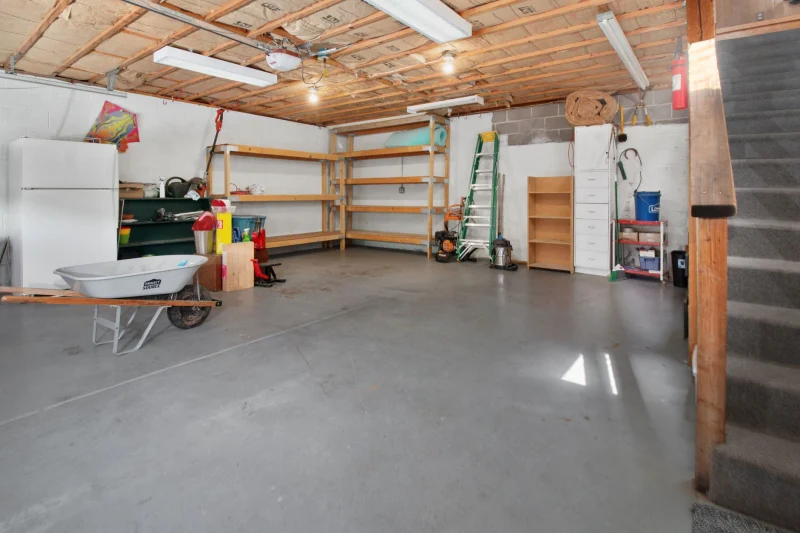
Epoxy flooring has matured far beyond a cosmetic upgrade for the residential garage. In high-performance environments, the system design, substrate preparation, moisture management, and topcoat chemistry matter more than the label on the product tin. That is especially true when comparing garage epoxy floors with industrial resin systems used in commercial kitchens, breweries, wineries, dairies, and meat processing plants. The difference between a floor that merely looks glossy and one that performs for years is usually not the coating itself, but the full engineering stack beneath it.
This analysis focuses on the technical realities that experienced specifiers, facility managers, and epoxy flooring contractors weigh before recommending epoxy coatings for garage floors, epoxy flooring for garages, or more specialized resin flooring systems. It also addresses why garage floor paint, DIY garage floor epoxy kits, and thin decorative systems often fail under hot tires, solvent exposure, moisture vapor pressure, thermal shock, and aggressive cleaning protocols. For readers in Sydney and coastal Australian markets, local humidity, slab age, and salt-laden air add another layer of complexity that changes the selection criteria significantly.
Why Epoxy Remains the Benchmark for Demanding Floors
Epoxy continues to dominate because it delivers a rare combination of adhesion, chemical resistance, and build thickness. A properly specified epoxy floor coating can be tailored as a primer, body coat, broadcast system, or self-leveling mortar, each with a different balance of gloss, slip resistance, and impact tolerance. In garage floor epoxy applications, the appeal is obvious: it resists oil, brake fluid, road salts, and the abrasion created by tires and tools. In food and beverage facilities, the attraction is more operational: a seamless surface with fewer harborage points, easier washdown, and better hygiene control than joints, tiles, or porous concrete.
From a performance perspective, the critical distinction is between decorative and engineered systems. Garage floor epoxy paint is often a thin film product designed for visual refresh rather than heavy-duty service. By contrast, epoxy coated garage floors built from a multi-coat 100 percent solids system, often with quartz or flake broadcast, can produce a denser wear layer and improved slip resistance. In industrial resin flooring, epoxy may be paired with polyurethane, polyurethane-cement, or polyaspartic topcoats to address UV stability, thermal shock, or faster return-to-service windows.
Key system families and where they fit
- Thin-film epoxy paint: Best for light-duty residential use and short-term refreshes, but limited in abrasion and hot-tire resistance.
- 100 percent solids epoxy coating: The workhorse for garage floor coatings, warehouses, and many commercial floors due to high build and low shrinkage.
- Self-leveling epoxy flooring: Suitable where flatness, seamless aesthetics, and impact resistance matter, especially in workshops and prep areas.
- Epoxy mortar and quartz systems: Used where compressive strength, chemical resistance, and texture are critical, such as wet processing zones.
- Polyurethane-cement hybrids: Often specified where thermal shock, boiling water, or rapid cleaning cycles exceed epoxy’s comfort zone.
Substrate Science: Where Most Failures Actually Start
The most common reason epoxy flooring fails is not product quality but substrate incompatibility. Concrete is dynamic: it moves with moisture, temperature, age, and structural loading. Even a premium epoxy flooring contractor cannot overcome poor surface preparation or an untested slab. Moisture vapor emission, surface laitance, contamination from oils and curing compounds, and weak surface tensile strength all reduce bond performance. Industry practice increasingly relies on objective testing rather than visual judgment alone.
In practical terms, that means assessing the slab with moisture testing, pull-off adhesion tests, and a surface profile appropriate to the system. For epoxy flooring near me searches, clients often compare prices without asking whether the installer uses diamond grinding, shot blasting, or acid etching. That is a major red flag. Proper profiling creates a mechanical key, while chemical etching alone often leaves the surface too inconsistent for long-term adhesion, especially on dense power-floated concrete common in garages and commercial kitchens.
Failure modes that experienced installers watch closely
- Moisture-related delamination: Hydrostatic pressure can lift even well-bonded coatings if the slab is not tested and mitigated.
- Hot-tire pickup: Common in garage epoxy floor systems that lack sufficient crosslink density or have been installed too thinly.
- Thermal shock cracking: Often seen in kitchen, brewery, and dairy floors exposed to hot water and rapid cooling cycles.
- Chemical softening: Caustics, acids, solvents, and fats can attack poorly matched resins or degraded topcoats.
- Edge lifting and joint failure: Usually linked to untreated saw cuts, moving cracks, or inadequate detail work at drains and penetrations.
Edge cases that change the specification
Older garage slabs in Sydney may carry hidden moisture from coastal humidity, groundwater, or previous slab repairs. In those cases, a moisture-tolerant primer or vapor barrier epoxy may be non-negotiable. Similarly, a slab that has been repeatedly contaminated with automotive oils or degreasers may need aggressive degreasing, abrasive blasting, and in some cases partial concrete replacement. For heritage buildings or mixed-use facilities, the challenge is often not structural strength but uneven slab permeability, which can create patchy gloss and inconsistent cure across the field.
Garage Floors Versus Industrial and Commercial Floors
The same resin family is used in garages and production plants, but the service requirements are radically different. In a home garage, the main threats are abrasion, tire marks, dropped tools, and occasional chemical spills. In a commercial kitchen flooring system, the floor must manage water, fats, detergents, steam, dropped pans, and sanitation chemicals. In brewery flooring and winery flooring, the coating must endure acids, alcohols, sugars, and intense cleaning regimens. Dairy flooring and meat processing flooring face the toughest mix of moisture, protein loads, thermal cycling, and hygiene obligations.
This is why a garage floor epoxy kit may be adequate for a weekend project, yet completely unsuitable for a floor for commercial kitchen operations. The kit may provide a decent appearance, but it usually lacks the film thickness, compressive resilience, and chemical engineering needed for high-traffic food production. Experienced epoxy flooring contractors Sydney teams often specify different systems for different zones within the same facility, rather than using a single floor finish everywhere.
Performance criteria by environment
- Garages: hot-tire resistance, stain resistance, cleanability, and decorative finish.
- Commercial kitchens: slip resistance, washdown tolerance, cove detailing, and sanitation compliance.
- Breweries: resistance to acids, caustics, sugar residues, yeast byproducts, and thermal shock.
- Wineries: tolerance for tartaric acid, organic acids, staining, and frequent wet cleaning.
- Dairies: durability under dairy fats, lactic acid exposure, and continuous washdown cycles.
- Meat processing plants: resistance to protein soils, sanitizers, hot water, and abrasive traffic from carts and pallets.
Commercial Kitchen and Food-Grade Flooring: The Real Technical Demands
Commercial kitchen flooring is not just about cleanliness; it is about controlling risk in a wet, greasy, temperature-variable environment. The best kitchen epoxy flooring systems are usually seamless, coved up the wall, and built with tuned texture so the floor remains safe when water, oil, or detergent is present. Slip resistance is a design parameter, not an afterthought. If the floor is too smooth, safety suffers. If it is too aggressive, sanitation and mopability become difficult, and food residues can accumulate in the texture.
For kitchen epoxy floor systems, the designer must also consider thermal shock. Frequent hot water washdowns can expand surface layers faster than the underlying slab, creating microcracks or debonding at weak interfaces. This is one reason polyurethane-cement products are frequently selected in the most severe washdown zones, while epoxy remains ideal for dry storage, prep areas, and general circulation paths. The smart move is often a hybrid specification: epoxy where chemical resistance and aesthetics dominate, and a more thermally resilient resin mortar where steam and boiling water are routine.
Specialized sectors and their distinct failure risks
Commercial bakery flooring: Flour dust, sugar, fats, and frequent cleaning create a deceptively harsh environment. A seamless, slightly textured surface reduces dust accumulation and improves sanitation without sacrificing maneuverability for racks and carts.
Brewery floor epoxy: Spills of acidic wort, caustic cleaners, and thermal swings during CIP routines can punish weak coatings. Drain layout and slope are as important as resin chemistry.
Winery flooring: Red pigments, organic acids, and fruit residues can permanently stain porous systems. Aliphatic topcoats and robust cove detailing improve appearance retention and hygiene.
Dairy flooring: Constant moisture, lactic acid, and washdown make moisture handling critical. A vapor-tolerant base coat and hygienic detailing around equipment legs and joints are essential.
Meat processing flooring: The floor must resist proteins, fats, sanitizers, and aggressive sanitation schedules while maintaining safe traction in a cold, wet environment.
Specification, Installation Quality, and Choosing the Right Contractor
Whether the search begins with epoxy flooring Sydney, epoxy floor Sydney, or epoxy flooring contractor near me, the selection process should focus on capability rather than marketing. The best garage floor epoxy installers and resin flooring contractors do not sell a product first; they diagnose the slab, operating conditions, and maintenance regime. A serious proposal should identify moisture limits, surface preparation method, coating build, cure schedule, repair approach, and any exclusions related to substrate movement or contamination.
In Sydney, where temperature swings, coastal moisture, and dense mixed-use buildings are common, contractor competence matters even more. Syd epoxy flooring providers that regularly deliver epoxy flooring Sydney projects for garages, warehouses, commercial kitchens, and process areas will typically have a stronger handle on moisture vapor mitigation, VOC control, and sequencing around live operations. That matters when a facility cannot shut down for long cure times or needs phased installation overnight.
Advanced questions to ask before awarding a project
- What surface preparation standard will be used: grinding, shot blasting, or another mechanical profile?
- How will moisture, slab RH, and vapor transmission be tested before installation?
- Is the specified epoxy floor coating 100 percent solids, water-based, or solvent-based, and why?
- What is the target dry film thickness in each zone of the facility?
- How will joints, cracks, drains, and coves be detailed to prevent early failure?
- What is the maintenance plan for detergents, scrubbers, and recoat windows?
One advanced but often overlooked point is maintenance compatibility. A floor can be technically perfect at handover yet fail early if cleaned with incompatible chemicals or fitted with hard wheels that abrade the topcoat. For garage floor coatings, avoid overly aggressive solvent cleaners and inspect traffic lanes for wear before the film becomes thin. In commercial kitchens and factories, hygiene teams should be trained on detergent concentrations and scrubber pad selection, because the wrong maintenance regime can reduce gloss, expose texture, and shorten service life.
Future Directions: Faster Cure, Better Hygiene, Smarter Resins
The next generation of epoxy flooring is moving in three directions at once: faster turnaround, higher sustainability, and better performance under mixed-use stress. Rapid-cure hybrid systems are reducing downtime for food facilities and commercial garages, making overnight or weekend installation increasingly realistic. Low-VOC and higher-solids formulations are also becoming more common as specifiers prioritize indoor air quality and environmental compliance. At the same time, moisture-tolerant primers and crack-bridging underlays are improving the chances of success on older slabs that would previously have been considered too risky.
Looking ahead, the most valuable innovation may not be a new decorative look but a more intelligent system design process. Expect more projects to combine digital moisture mapping, abrasion forecasting, and maintenance data into a single specification workflow. The winners will be the epoxy flooring contractors who can engineer a floor that is not just durable on day one, but demonstrably matched to the facility’s cleaning chemistry, traffic pattern, and thermal profile over its full lifecycle. In that sense, the future of garage epoxy floor coating and industrial resin flooring is less about selling shine and more about predicting failure before it happens.
If that prediction proves true, then the market will gradually divide between commodity coatings and truly engineered resin systems. The former will continue to serve light-duty garages and short-term upgrades. The latter will increasingly dominate commercial kitchen flooring, brewery flooring, winery flooring, dairy flooring, and meat processing flooring, where uptime, hygiene, and risk control are worth far more than a simple glossy finish.