
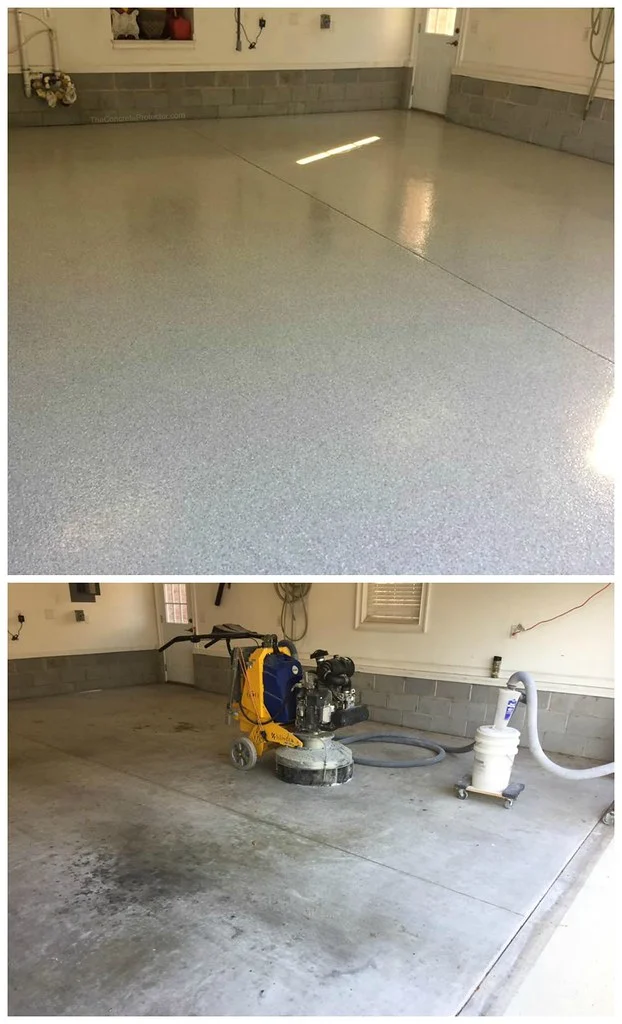
Epoxy systems are often discussed as if they were a single product, but in practice garage epoxy floors, garage floor epoxy coatings, and commercial epoxy resin flooring sit on a spectrum of chemistry, substrate preparation, and service demands. The difference between a decorative garage floor paint and a true epoxy floor coating is not semantic: it is the difference between a thin film that can fail under hot tires and chemical exposure, and a engineered, multi-layered system designed to bond to concrete, resist abrasion, and survive moisture, impact, and sanitation cycles. This analysis is unique because it connects residential garage performance with high-spec industrial applications such as commercial kitchen flooring, brewery flooring, winery flooring, dairy flooring, and meat processing flooring, where the same core principles are pushed to very different limits.
For knowledgeable buyers, specifiers, and contractors searching for epoxy flooring near me or evaluating epoxy flooring Sydney providers, the real question is not whether epoxy works. It is which system architecture, installation sequence, and maintenance profile produces the lowest lifecycle cost under the actual service conditions of the slab.
Why Epoxy Works: The Substrate, Chemistry, and Load Path
Epoxy flooring succeeds because it is a chemically crosslinked thermoset network that distributes load across a properly prepared concrete substrate. When a slab is mechanically profiled, primed, and sealed, the coating system becomes part of the floor assembly rather than a cosmetic layer sitting on top. That distinction matters in garages, where hot tire pickup, hydraulic fluid, battery acid, and de-icing salts can attack weaker coatings, and in industrial facilities where acids, fats, caustics, and thermal shock are routine.
Concrete preparation is the decisive variable
In more failed floors than most contractors admit, the coating chemistry was adequate while the prep was not. Industry practice favors shot blasting or diamond grinding to achieve the specified concrete surface profile, commonly CSP 2-4 for thin build systems and higher for mortar or broadcast systems. Adhesion is governed by mechanical interlock plus pore penetration; contamination such as oil, curing compounds, laitance, or moisture vapor pressure can undermine both.
Key prep metrics used by experienced installers
- Concrete moisture testing using ASTM F2170 relative humidity or ASTM F1869 calcium chloride where appropriate.
- Surface profile verification to ensure the primer can anchor into open concrete pores.
- Crack chasing and repair with low-viscosity epoxy or polyurea fillers before base coat application.
- Edge detailing at drains, joints, and penetrations to prevent water ingress and peel initiation.
In coastal regions such as Sydney, humidity and salt-laden air create a second-order challenge: the slab can be structurally sound yet still exhibit moisture migration or surface condensation. That is why searching for epoxy floor Sydney or epoxy flooring Sydney should lead to contractors who test, not guess.
Garage Floors: From Decorative Finish to Functional Performance System
The modern garage epoxy flooring market has matured beyond the simple